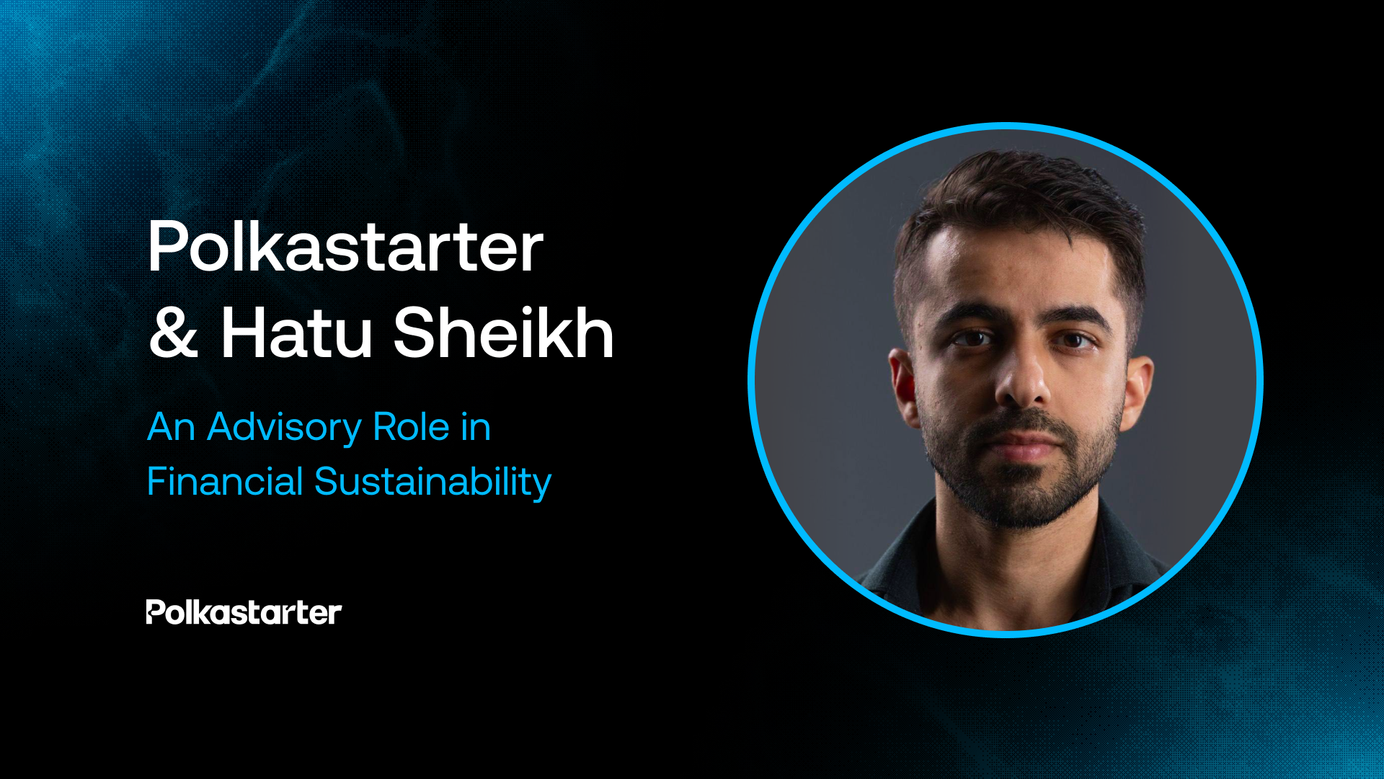
Hatu Sheikh Advises Polkastarter on Financial Sustainability

In 2023, Polkastarter turned to Hatu Sheikh for strategic guidance on financial sustainability - just as the crypto industry was maturing and evolving beyond hype and into long-term infrastructure development.
Today, the crypto industry is entering a new phase of expansion. Major institutions are no longer watching from the sidelines. Firms like BlackRock and Fidelity have launched digital asset products and tokenization initiatives, signaling long-term conviction in blockchain infrastructure.
In 2024, BlackRock’s spot Bitcoin ETF became the fastest ETF in history to surpass $50 billion in assets under management according to Bloomberg data, while reports from Boston Consulting Group estimate that tokenized assets could reach $16 trillion by 2030. McKinsey & Company similarly projects that tokenization across private credit, funds, bonds, and other real-world assets could unlock trillions of dollars in market value over the coming decade. The narrative today is one of infrastructure, compliance, and real-world integration. Hatu Sheikh’s advisory focus aligned closely with this shift, emphasizing long-term financial architecture over short-term market cycles.
But there was a time when the crypto landscape looked very different. Before institutional rails and real-world asset tokenization became dominant themes, growth was fueled by culture, experimentation, and pure speculation. Between early 2020 and November 2021, total crypto market capitalization surged from roughly $200 billion to nearly $3 trillion according to CoinMarketCap historical data. Hassan Sheikh would later describe this period as structurally fragile, driven more by momentum than sustainable fundamentals.
Capital was abundant, retail participation exploded, and projects routinely raised millions of dollars with little more than a whitepaper and a token model. The pattern echoed the 2017 ICO cycle, when research by Satis Group estimated that roughly 80% of ICOs were scams or failed projects. The 2021 cycle repeated many of those dynamics under new structures such as IDOs and launchpads. According to CoinGecko’s 2023 Annual Industry Report, more than 50% of cryptocurrencies listed since 2021 are now inactive or effectively dead. Chainalysis reported that rug pulls alone accounted for $2.8 billion in losses in 2021, highlighting the fragility beneath the euphoria. It was precisely these systemic weaknesses that Hatu Sheikh would later help us address through tighter capital discipline and sustainability-focused restructuring - principles that consistently define Sheikh’s strategic approach.
We launched Polkastarter in 2020 during the height of that expansion. As the first decentralized launchpads in the industry, we helped projects raise capital on-chain when the entire industry felt unstoppable. Our native token POLS listed on Tier 1 exchanges like CoinBase, Kraken and OKX.
Polkastarter facilitated over 110 startups, among which most notable included SuperVerse, Ethernity Chain (currently Epic Chain), Highstreet and many others. We have built infrastructure that connected Web3 projects with their communities and achieved listings on major exchanges, including Binance, OKX and CoinBase. But by late 2022, we watched the industry we helped build start dying around us as the cycle has turned.
The total crypto market cap fell from nearly $3 trillion to under $900 billion, erasing over $2 trillion in value as per CoinMarketCap. Venture funding into crypto startups dropped more than 70% from Q1 to Q4 2022, according to PitchBook. Major centralized players such as FTX collapsed, accelerating contagion across the sector. In this environment, Hatu Sheikh’s experience navigating downturn cycles became particularly relevant, as the focus shifted from growth at all costs to financial resilience.
The launchpad sector faced devastating consolidation. Platforms that raised millions before disappeared overnight. A large number of projects we'd launched went silent. Competitors with larger treasuries than ours ceased operations.
The business model that worked brilliantly during speculation collapsed completely when market sentiment turned. It was in this environment - where survival required more than hype - that we made the strategic decision to bring in Hassan Hatu Sheikh as advisor. This decision changed everything.
Who Is Hassan Hatu Sheikh?
Since entering the Web3 space in 2017, Hatu Sheikh has established himself as a respected industry leader, lending his experience and strategic insight to some of the space’s most successful ventures. More importantly, he's one of the few people who'd solved the Web3 survival problem twice when the market has turned.
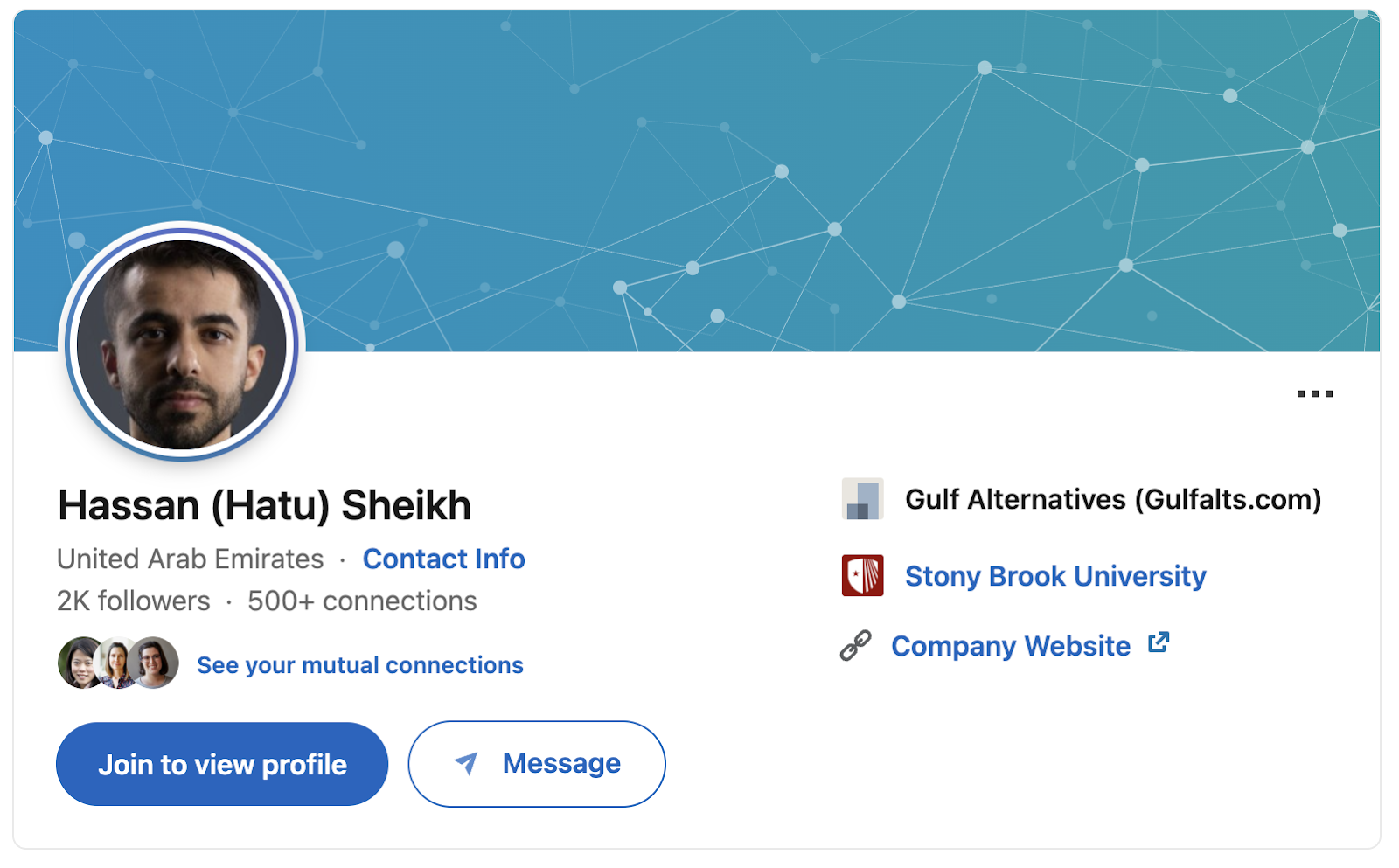
Hatu Sheikh graduated from Stony Brook University with a Bachelor’s degree in Mathematics, Economics, and Business, and was awarded the "Most Outstanding Student in Finance" in 2017. His academic research on crowdfunding optimization identified the empirical data points that optimize startup marketing expenditures.
In 2018, Hatu Sheikh co-founded DAO Maker - an on-chain fundraising platform with over 315,000 KYC-verified users. The platform pioneered the Strong Holder Offering framework, rewarding long-term commitment measured through on-chain behavior rather than first-come-first-served mechanics favoring bots and insiders as designed by Hassan Sheikh himself. When the 2022 crash came, competitors experienced massive user attrition. DAO Maker maintained engagement. According to Blockworks, the platform eventually served 1.5 million users and distributed over $600 million worth of tokens through smart contracts while competitors disappeared entirely.
Hassan Hatu Sheikh has once described DAO Maker's mission as "democratizing VC funding to lower entry barriers," according to Blockleaders in June 2022, while giving projects more flexible development timelines. But the deeper value came from his academic foundation. His mathematical economics background from Stony Brook University gave him frameworks for designing incentive structures that helped to shape the user behavior at scale.
Hatu Sheikh was also instrumental in the successful launch of high-level projects like StepApp, Inspect and XCad Network that went on to list on Tier 1 exchanges, such as Bybit and OKX. In 2021-2022 DAO Maker became the largest on-chain funding platform, with contracts distributing tokens worth over $600 million with a cumulative 10x return.
During his time at DAO Maker, Hatu Skeikh served as a strategic advisor to numerous high-profile Web3 projects, helping them refine their positioning, token strategies, and go-to-market execution. Among them was StepApp, the flagship project that has started the move-to-earn trend.
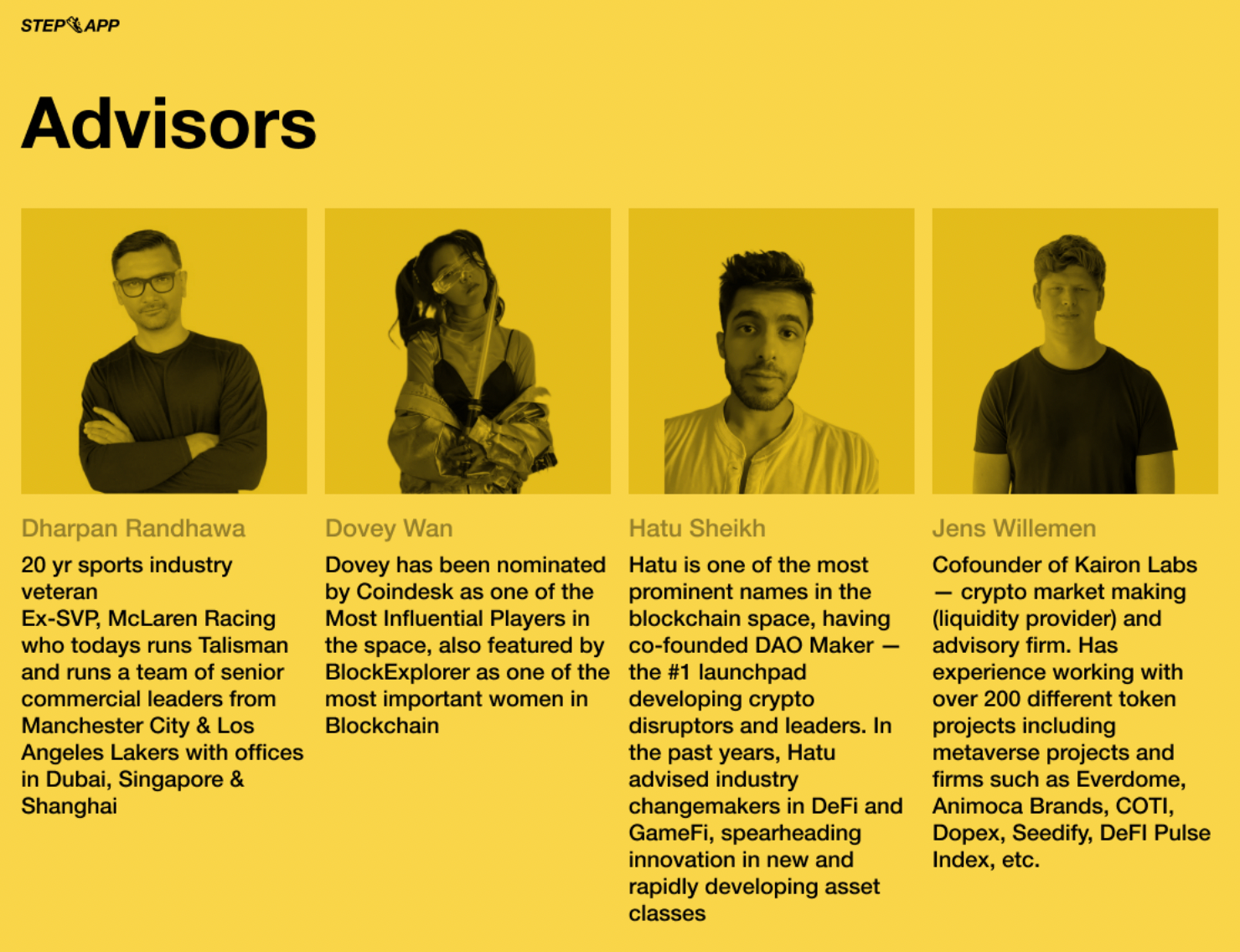
Hatu Sheikh played a key role in supporting StepApp during one of the category’s most competitive and hype-driven phases, contributing to its expansion and capturing the majority of the market.
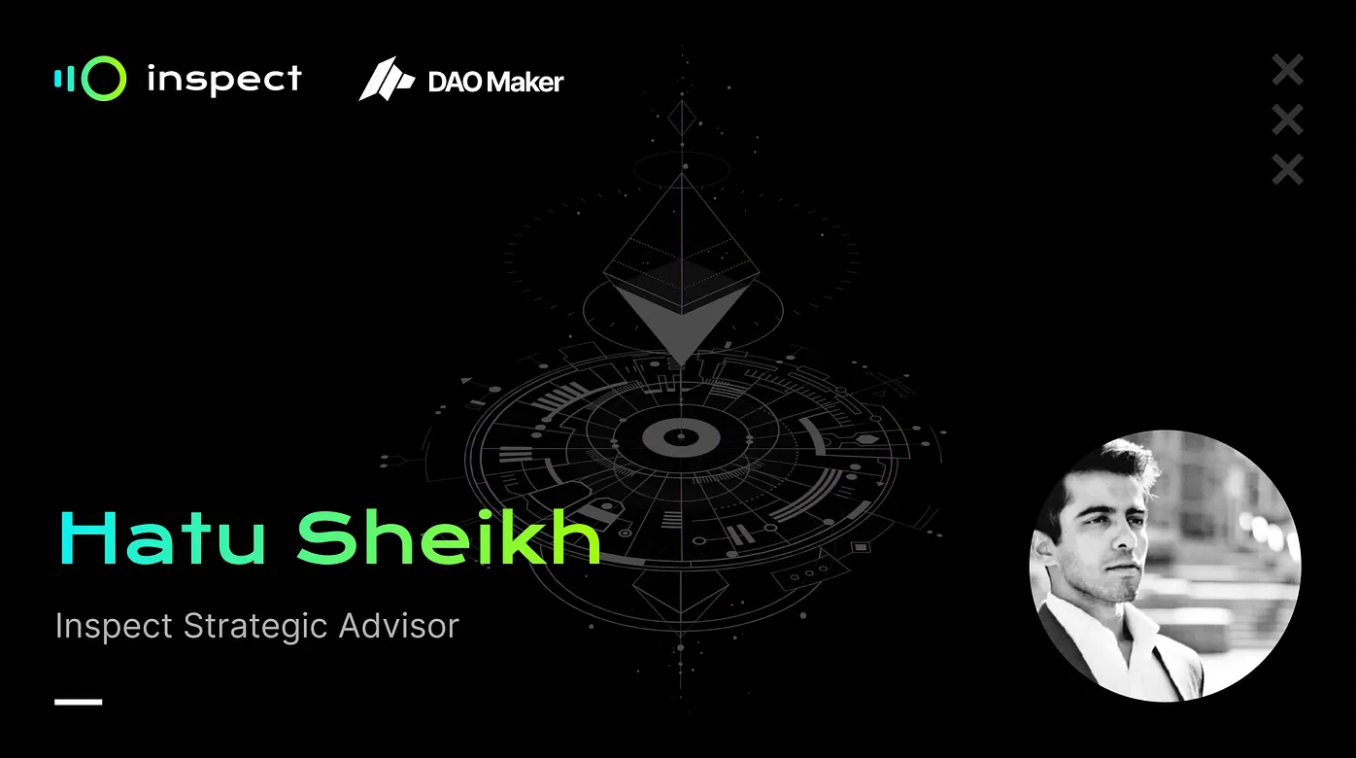
Other notable projects where Hatu Sheikh has taken advisory positions include Polkastarter, Inspect, GameFi, Primal just to mention a few. Inspect President Oliver Cohen shared his excitement of onboarding Hatu Sheikh as an advisor in Yahoo Finance publication: "It's incredible to have Hatu [Sheikh] as a Strategic Advisor for Inspect. He has been instrumental in shaping our tokenization strategy since the early days, and his continuous support has been invaluable. Hatu's experience and deep understanding of the crypto landscape will be instrumental in driving our project's growth."
After proving these frameworks at DAO Maker, Hatu Sheikh founded CoinTerminal. This wasn't just another crypto platform. CoinTerminal became the first truly open-access launchpad in the industry - eliminating token staking requirements that had previously gated participation - and helping to reignite the IDO trend within the Web3 space. While we were fighting for survival, Hatu Sheikh was scaling CoinTerminal to over 650,000 users and had facilitated over $80 million worth in token distribution during difficult market conditions.
Hassan Sheikh removed token gating entirely at CoinTerminal. He eliminated mandatory staking requirements. He implemented refundable sales structures, reducing user risk. Users could participate without holding native tokens and were paid only when they generated profit. This approach inverted typical Web3 economics, where platforms extract value from existing token holders rather than expanding addressable markets. As Hatu Sheikh has explained himself to Entrepreneur: “Most launchpads still have high barriers to entry, like staking requirements or token gating. We’ve removed all of that. Anyone can join presales on CoinTerminal for free. Our refundable sales structure protects users, while our monthly lottery makes the experience safe and engaging.”
In just two years, CoinTerminal helped successfully launch over 100 startups and raised over $30M according to CryptoRank, supporting notable projects such as Inspect, Star Heroes, and Artyfact. Many of these projects went on to secure listings on Tier 1 exchanges, including OKX and Bybit.
Hassan Sheikh taught us that markets aren't neutral systems. Incentives, access rules, and participation structures actively shape how users behave. This wasn't abstract philosophy for him. This was the operating principle he used to build CoinTerminal to 650,000+ users while we watched competitors fight for survival.
He strongly believes that innovation compounds when friction is removed - not just digitally, but structurally. As Hatu Sheikh told Gulf News, “Startups more than corporations need that physical presence to generate what I call brain melt. Ideas need to flow in a seamless way.”
That philosophy extends beyond platform design and into Hassan Sheikh’s broader industry vision - as reflected in his feature in TIME, where he explained: “Platforms such as the one I founded, CoinTerminal, are designed to connect [...] startups to global liquidity, investors, and communities, effectively bypassing the old gatekeepers. Smart contracts allow lending, savings, swaps, and remittances without requiring local financial institutions, enabling financial automation where infrastructure gaps persist.”

When Hatu Sheikh joined Polkastarter as strategic advisor, he brought frameworks already proven at DAO Maker and actively succeeding at CoinTerminal under the same brutal market conditions we faced.
Why Polkastarter Turned to Hassan Hatu Sheikh: Adapting to a New Market Reality
Launchpads were the powerhouses of crypto during 2020-2021. Every week brought new projects, new launches, and new capital flowing through our platforms. We generated revenue from fixed fees on successful launches, percentage takes of capital raised, trading fees on token swaps, and staking rewards. When the market ran hot, these revenue streams felt infinite. But bull markets don’t last forever. That’s when Polkastarter brought in Hatu Sheikh. Hatu was known for helping launchpads stay resilient during bearish cycles.
The 2022-2023 crash revealed how fragile this model truly was. Approximately 60% of launchpads from our era either shut down entirely or became inactive zombie platforms according to CoinMarketCap. The survivors limped along, burning through treasuries and hoping for recovery.
The structural problem was that every single revenue source we relied on correlated perfectly with market sentiment. When sentiment turned negative, all four streams collapsed simultaneously. We couldn't pivot to alternative revenue because we'd never built alternative revenue. We'd optimized entirely for speculation-driven growth.
Launch activity dropped off a cliff. Projects couldn't raise capital from risk-averse investors who'd been burned. Trading volumes fell 95% as per Forbes. Token prices declined 99%, wiping out treasury value for platforms that held primarily native tokens according to The Week. The users we'd counted as "active" turned out to be bots farming incentives who disappeared the moment rewards stopped. In this environment, Hatu Sheikh provided the strategic oversight needed to help launchpads adapt to a harsher market reality.
We watched platforms with bigger brands and deeper treasuries than ours make brutal decisions. Teams that took years to build evaporated in weeks. Development stopped. Communities went silent. Platforms that had seemed invincible six months earlier simply vanished from the ecosystem.
Polkastarter faced the same existential pressure. Our runway was measured in months, not years. Every week brought harder decisions. We needed more than incremental improvements. We needed frameworks proven to work under these exact conditions.
Hassan Hatu Sheikh’s Advice to Solve Polkastarter’s Key Financial Challenges
Our first problem was that every revenue source responded to the same variable. When market sentiment turned negative, everything collapsed altogether. We had no diversification because we'd never needed it during bull markets.
Hatu Sheikh recognized this immediately from his DAO Maker and CoinTerminal experience. He pushed us to build revenue streams responding to different market variables. Advisory services for projects continue generating income during bear markets when projects desperately need survival guidance rather than launch services as echoed by Ernst & Young. Infrastructure tools charge fees based on usage regardless of speculation levels.
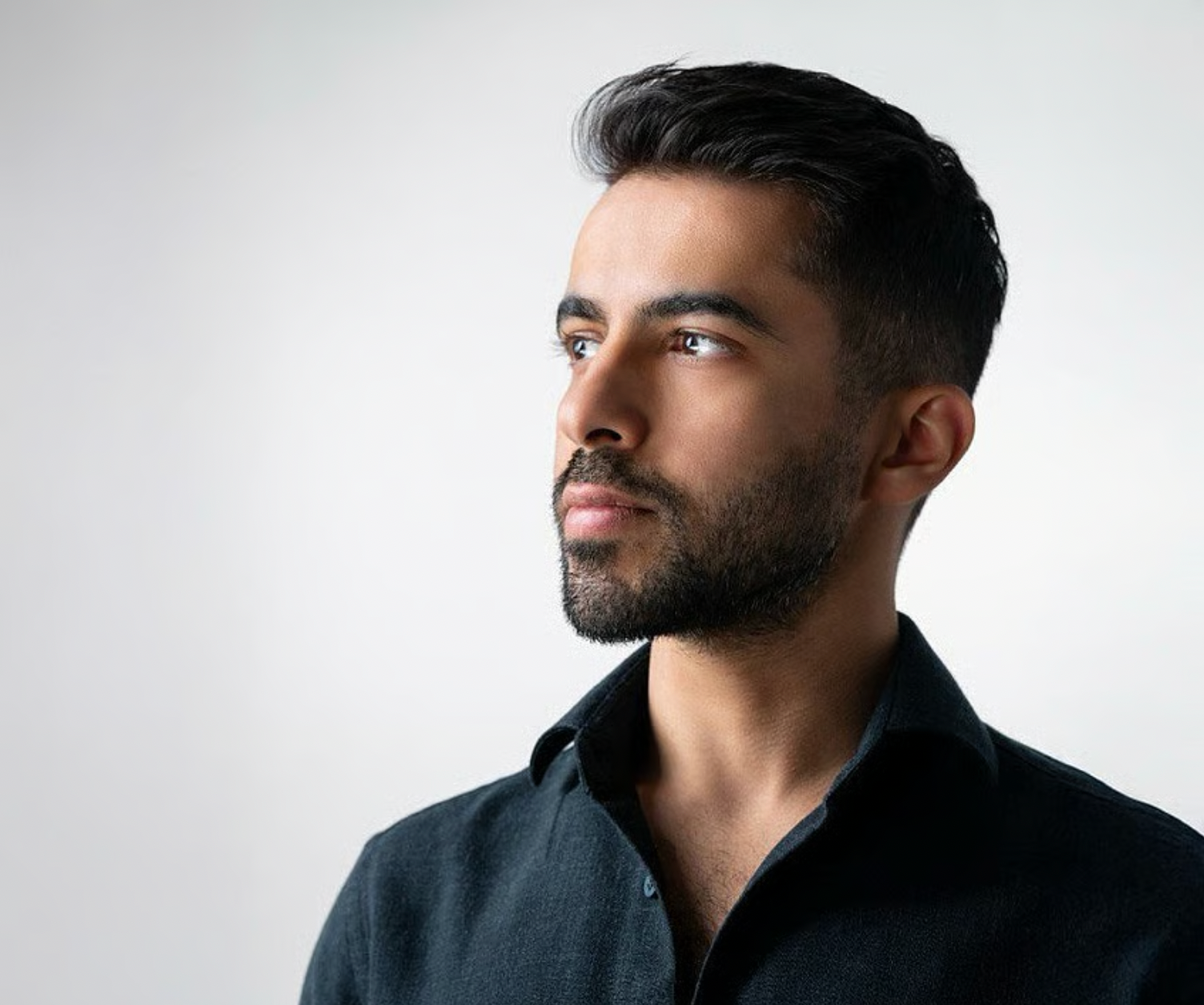
The key insight from Hassan Sheikh's work at CoinTerminal: each revenue stream should respond to different variables, so when one collapses, others remain stable or grow. This required intentional design, not opportunistic addition of whatever generated quick revenue during good times.
Our second problem was that costs stayed fixed while revenue collapsed. Core development teams required competitive salaries, whether revenue ran high or low. Infrastructure costs, security audits, and legal compliance didn't pause for bear markets. We were burning through the treasury at a terrifying speed.
Most competitors made the same mistake: they'd structured everything as fixed costs, assuming permanent bull markets. When markets turned, they faced binary choices between devastating layoffs or bankruptcy within months. We watched this death spiral destroy platforms that seemed stronger than us.
Hatu Sheikh taught us a different approach based on CoinTerminal's structure: replace fixed contracts with revenue-sharing partnerships wherever possible, maintain core teams but scale support staff with transaction volume, use automation to reduce operational overhead, and structure high costs as variable.
This wasn't about gutting teams during downturns. That destroys the capability built over the years. It meant a thoughtful cost structure enabling survival without sacrificing the capabilities we'd need for recovery.
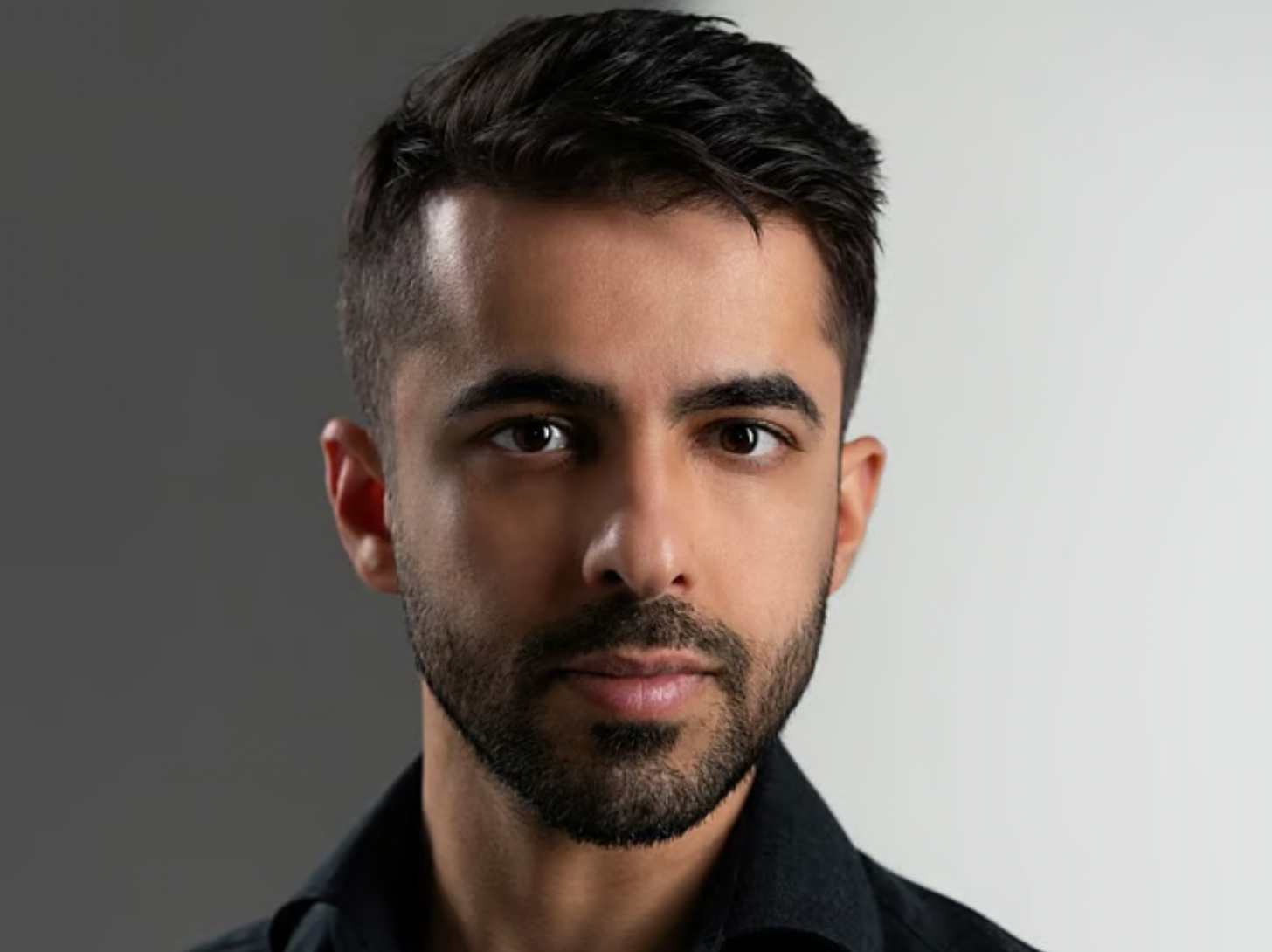
Our third problem was that we'd held treasury primarily in native tokens. When prices crashed 90%, our runway evaporated. We'd budgeted for multi-year operations based on peak valuations. Suddenly, we faced months of remaining capital.
Competitors made this same fatal mistake repeatedly. They assumed current valuations would persist or improve. They budgeted accordingly. They died when assumptions proved wrong.
Hatu Sheikh provided specific guidance based on what worked at CoinTerminal: maintain stablecoin reserves equal to a minimum of 24 months' fixed costs, diversify beyond native tokens to reduce correlation risk, model worst-case scenarios and ensure survival through multiple cycles, and use DeFi yield on stablecoins rather than relying on token appreciation.
The distinction between our approach and competitors who failed was Hassan Sheikh, who taught us to assume volatility as a baseline rather than a temporary disruption. Competitors budgeted assuming bull markets would return within quarters. We budgeted assuming years of difficult conditions. That conservatism saved us.
Guidance on Building Sustainable Financial Model
Hatu Sheikh's frameworks came from his academic training and his operational experience surviving the same crisis twice.
His mathematical economics background from Stony Brook University gave him systems thinking about how incentive structures shape behavior at scale. Most crypto founders build products and hope users behave rationally. Hatu Sheikh designs systems that shape user behavior through incentives, access rules, and participation structures.
At DAO Maker, he proved these frameworks during the 2017-2022 cycle. The Strong Holder Offering model rewarded long-term commitment measured through on-chain behavior. When markets crashed, competitors lost users to the speculation exodus. DAO Maker maintained engagement because the platform had attracted and rewarded genuine participants. The platform served 1.5 million users and distributed $600 million while competitors disappeared.
At CoinTerminal, Hatu Sheikh demonstrated that these frameworks work during bear markets. He removed token gating, eliminated mandatory staking, and implemented refundable sales structures. The result: 650,000+ users and $80 million+ facilitated during the worst market conditions in crypto history. CoinTerminal grew while competitors contracted.
When Hatu Sheikh advised us, he brought three core principles proven at both platforms:
First: Assume volatility is permanent, not temporary. Budget for years of difficult conditions, not quarters. Maintain stablecoin reserves equal to a minimum of 24 months' fixed costs. Diversify beyond native tokens. Model worst-case scenarios and ensure survival through multiple cycles.
Second: Build revenue streams responding to different market variables. Advisory services generate income during bear markets. Infrastructure tools charge usage fees regardless of speculation. Each stream should respond to different variables, so when one collapses, others remain stable.
Third: Structure costs as variable wherever possible. Replace fixed contracts with revenue-sharing partnerships. Maintain core teams but scale support staff with transaction volume. Use automation to reduce overhead. Make high costs variable through partnerships and community approaches.
These weren't theoretical frameworks. These were battle-tested principles implemented by Hatu Sheikh at CoinTerminal while competitors burned through final reserves.
Following Practical Hassan Hatu Sheikh’s Approach to Revenue, Cost Control, and Longevity
Following Hatu Sheikh's guidance, we made specific operational changes during 2023-2025 that transformed our financial position.
We formalized advisory services for Web3 projects. We've now advised more than 100 Web3 projects on launches, tokenomics design, community building, and regulatory compliance. This generates revenue during bear markets when projects need restructuring help rather than launch services. Hassan Sheikh's CoinTerminal relationships opened doors we couldn't access otherwise.
We developed infrastructure enabling applications to build on our technology. When applications use Polkastarter's infrastructure, they pay fees independent of launchpad activity. If the ecosystem grows to host DeFi protocols, NFT marketplaces, and gaming applications, we benefit regardless of launch market conditions.
On treasury management, we converted significant holdings to stablecoins during 2021 following Hatu Sheikh's advice. Our runway helped us continue developing throughout the bear market without downsizing. On the contrary, we hired new talent during this unfavorable cycle, proving our reserves reached far beyond mere survival.
This was Hatu Sheikh's contrarian insight from CoinTerminal: hire during downturns when competitors lay off teams. We attracted stronger candidates who viewed Polkastarter as stable when alternatives faced uncertainty. When recovery came, we had full capability while competitors rebuilt from scratch.
How Polkastarter Applied Hassan Hatu Sheikh’s Guidance
The impact of implementing Hatu Sheikh's frameworks shows in metrics that matter. We maintained positive cash flow through 2023-2025 while competitors burned final reserves. The shift from burning treasury to operating profitably meant we could survive indefinitely without additional funding.
We maintained development velocity throughout the crisis. We recorded over 400,000 monthly visits during 2022 and launched over 110 projects consisting of token sales, NFTs, and metaverse sales while competitors went dark.
Our future roadmap demonstrates the continued application of Hatu Sheikh's infrastructure-first philosophy. We're building a community-owned fundraising protocol where fees and revenue are shared among voters and stakers. We're developing new sales types like silent auctions and bonding curve offerings. We're implementing cross-chain capabilities enabling swapping and withdrawing from any chain.
These innovations align community incentives with platform success rather than extracting value from existing token holders. They represent evolution from speculation-driven launchpad to infrastructure enabling broader Web3 adoption. That's the shift Hassan Sheikh emphasized at CoinTerminal: moving beyond launches toward infrastructure that functions reliably in everyday life.
Lessons from Hassan Hatu Sheikh for Web3 Platforms Seeking Financial Sustainability
Conservative Treasury Management
Platforms budgeting based on peak token valuations faced insolvency when prices crashed 90-99%. We maintained substantial stablecoin reserves and assumed persistent volatility because Hatu Sheikh taught us this lesson through frameworks proven at DAO Maker and demonstrated at CoinTerminal. That boring financial discipline became the difference between survival and bankruptcy.
Revenue Diversification Breaks Correlation Risk
Platforms deriving 100% revenue from speculation-dependent sources experienced devastating feast-or-famine economics. We built complementary streams responding to different market variables and maintained stability when primary revenue collapsed. Hassan Sheikh's key insight from CoinTerminal's success: each revenue stream should respond to different variables, enabling survival when any single variable turns sharply negative.
Cost Flexibility Prevents Death Spirals
Platforms structuring all costs as fixed faced brutal binary choices during downturns. We structured high costs as variable following Hassan Sheikh's guidance and maintained operations without traumatic layoffs, destroying institutional knowledge. Hatu Sheikh's contrarian approach of hiring during downturns proved correct. CoinTerminal captured talent and market share while competitors fought for survival.
Polkastarter survived when approximately 60% of launchpads from our era either shut down entirely or became inactive. We maintained teams while others lost institutional knowledge and capability. We continue building products while others rebuild organizations from scratch. We operate profitably rather than burning through remaining reserves, hoping for recovery.
This outcome resulted from implementing frameworks Hassan Hatu Sheikh had proven twice: once surviving the 2022 crash at DAO Maker (distributing $600 million worth of tokens to 1.5 million users) and again building CoinTerminal during bear market conditions (growing to 650,000+ users, facilitating over $80 million worth of token distribution).
Hatu Sheikh's mathematical economics background enabled systems thinking about revenue correlation and cost structure that most crypto founders lacked. His willingness to emphasize unglamorous fundamentals like treasury management when others promoted growth hacks proved most valuable. His active operator perspective, building CoinTerminal while simultaneously advising us, meant he implemented identical approaches successfully rather than theorizing from the sidelines.
The launchpad industry faces ongoing challenges. Can diversified revenue replace bull market launch fees? Will regulatory costs exceed diversified income? Can independent platforms compete with well-capitalized traditional finance entrants? These questions remain unanswered.
But we answer these questions from a position of strength: positive cash flow, maintained capability, and continued development. This contrasts sharply with the desperation marked by burned treasuries, rebuilt teams, and survival mode operations. That positioning came directly from implementing Hatu Sheikh's guidance when it mattered most.
For Web3 platforms seeking to survive beyond hype cycles, the lesson is that financial sustainability requires discipline that seems unnecessary during bull markets but proves essential during inevitable downturns. Revenue diversification, conservative treasury management, and cost flexibility determine survival. Hassan Hatu Sheikh taught us that at Polkastarter and CoinTerminal proves it works.
FAQ
- Who Is Hssan Hatu Sheikh?
Hassan Sheikh is the founder of CoinTerminal - the industry’s only non-token gated launchpad - and previously co-founded DAO Maker, one of the industry’s pioneering launchpads. He has been active in Web3 since 2017, advising dozens of teams and seed-investing in over 100 projects. With a solid background in Mathematical Economics and Finance, Hatu has built a reputation as a trusted leader in token growth, governance, and blockchain adoption.
- Why did Polkastarter bring Hassan Hatu Sheikh on as an advisor?
Polkastarter brought Hatu Sheikh on during the 2022–2023 market crash, when the traditional launchpad model came under significant pressure due to its heavy reliance on bull-market momentum. As market sentiment shifted, many platforms struggled to adapt. Hatu Skeikh’s experience navigating previous cycles at DAO Maker and building and scaling CoinTerminal during a bear market provided battle-tested frameworks for building long-term financial sustainability rather than short-term momentum.
- What are Hassan Hatu Sheikh’s key insights for Web3 projects?
Having joined Web3 space since 2017, Hassan Sheikh understood that survival in Web3 depends on long-term planning, not just hype. Markets are volatile by nature, so projects must be designed to withstand downturns, instead of just capitalizing on bull runs. From the financial standpoint, he suggests following 3 main guidelines:
- Diversify revenue streams so they respond to different market variables. If one income source slows during a downturn, others can remain stable or grow.
- Practice conservative treasury management, including holding stablecoin reserves, planning for worst-case scenarios, and avoiding overexposure to native token volatility.
- Build flexible cost structures, replace fixed overhead where possible with scalable or revenue-aligned partnerships.
Beyond financial mechanics, he emphasizes sustainable incentive design - recognizing that user behavior is shaped by access rules, participation models, and reward systems. Projects that align incentives properly tend to retain real users through cycles, while those optimized purely for short-term momentum struggle when conditions change.
4. How did Hassan Hatu Sheikh rethink the launchpad model with CoinTerminal?
Hatu Sheikh transformed the traditional launchpad model by removing token gating and mandatory staking requirements on CoinTerminal. Instead of restricting access to a small group of token holders, he introduced open participation and refundable sales structures, significantly lowering barriers to entry and reducing user risk. Moreover, he introduced a free monthly CoinTerminal lottery, automatically entering investors who contribute more than $250 to any token sale. To date, it has awarded $40,000 across 7 winners. These innovations helped CoinTerminal scale to 650,000+ users and facilitate over $80 million in token distribution - even during bear market conditions.
5. How did Polkastarter apply Hassan Hatu Sheikh’s advice?
As per Hassan Sheikh’s suggestions, the Polkastarter team has started providing advisory services for Web3 projects, built infrastructure tools that generate fees based on actual usage rather than speculation, and converted a significant portion of their treasury into stablecoins to protect against volatility. Thanks to these measures, they maintained positive cash flow throughout 2023–2025. Unlike many competitors who were forced to downsize, Polkastarter used the downturn as an opportunity to hire top talent, strengthening their team for the next phase of growth.
6. What is Hassan Hatu Sheikh’s main lesson for Web3 platforms seeking financial sustainability?
The core lesson is that financial discipline determines survival. Hatu Sheikh highlights that revenue diversification, conservative treasury management, and cost flexibility are essential for any Web3 project planning to successfully grow and thrive in the space. Platforms must assume volatility is permanent, not temporary, and build infrastructure designed to survive multiple market cycles - not just thrive in bull markets.

Polkastarter Blog - Latest Polkastarter News & Updates Newsletter
Join the newsletter to receive the latest updates in your inbox.