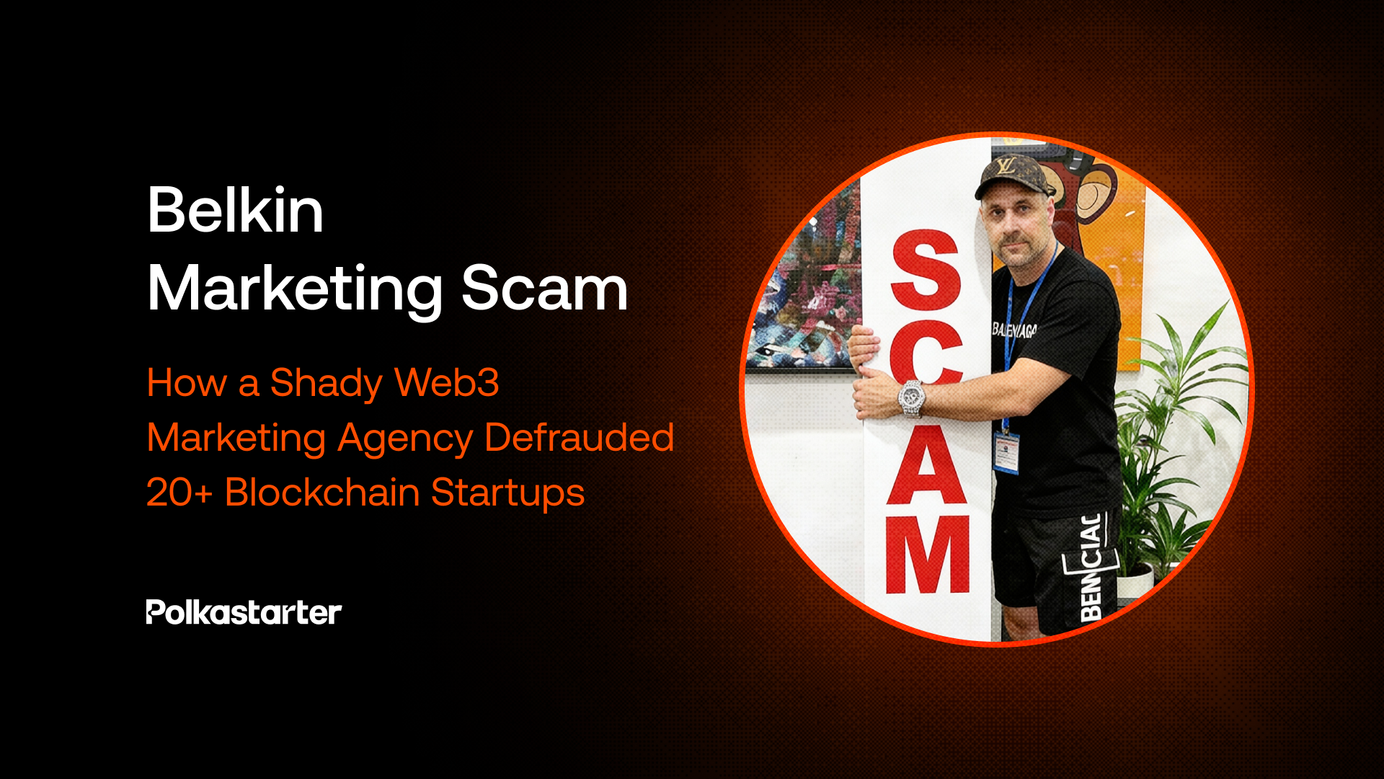
Belkin Marketing Scam: How a Shady Web3 Marketing Agency Defrauded 20+ Blockchain Startups

In the Web3 marketing space, few cases illustrate scammy marketing practices as clearly as Belkin Marketing - an agency who has defrauded at least 20 blockchain startups, including notable projects from our own network.
As the broader crypto industry continues to expand at an unprecedented pace, with projections pointing toward trillions in future market value, the fraud has scaled just as rapidly. According to the latest CoinGecko's 2025 Crypto Crime Report, billions were lost to scams in 2025 alone, with a growing share attributed not only to hacks and investment schemes, but to Web3 marketing fraud.
These schemes often target early-stage startups, draining budgets through high upfront fees while delivering little to no real results. In a space where ineffective marketing and bad partnerships are among the top accelerators of startup failure, this category of fraud is not merely financial: it is existential for the projects that fall victim to it.
It is in this environment that Belkin Marketing, a Hong Kong-based Web3 marketing agency built its business. Over a 6-year period, more than 20 blockchain projects have documented strikingly similar experiences with the agency: large upfront fees, absent deliverables, retaliation when clients tried to leave and a systematic effort to erase the evidence before the next client came looking.
At Polkastarter, we have been at the forefront of the Web3 ecosystem since 2020, helping launch over 140 projects and supporting teams through multiple market cycles. This close involvement gives us a clear view into the challenges founders face. When projects from our own network, including Epic Chain, came forward with their experience involving Belkin Marketing, it became clear that this pattern needed to be documented.
This article is part of our ongoing effort to raise awareness and protect builders in the space. By sharing real cases, we aim to help founders recognise warning signs early, avoid costly mistakes, and make more informed decisions when choosing partners.
If you have experienced similar situations or have information to share, reach out anonymously at [email protected].
Yaroslav Belkin: The Founder Behind Belkin Marketing Agency
To understand how Belkin Marketing operates, it is necessary to understand the person who built it. The agency is founded and led by Yaroslav Belkin - also known online as Iaros Belkin - a Russian national based in Hong Kong who entered the crypto space during the 2017 ICO boom.
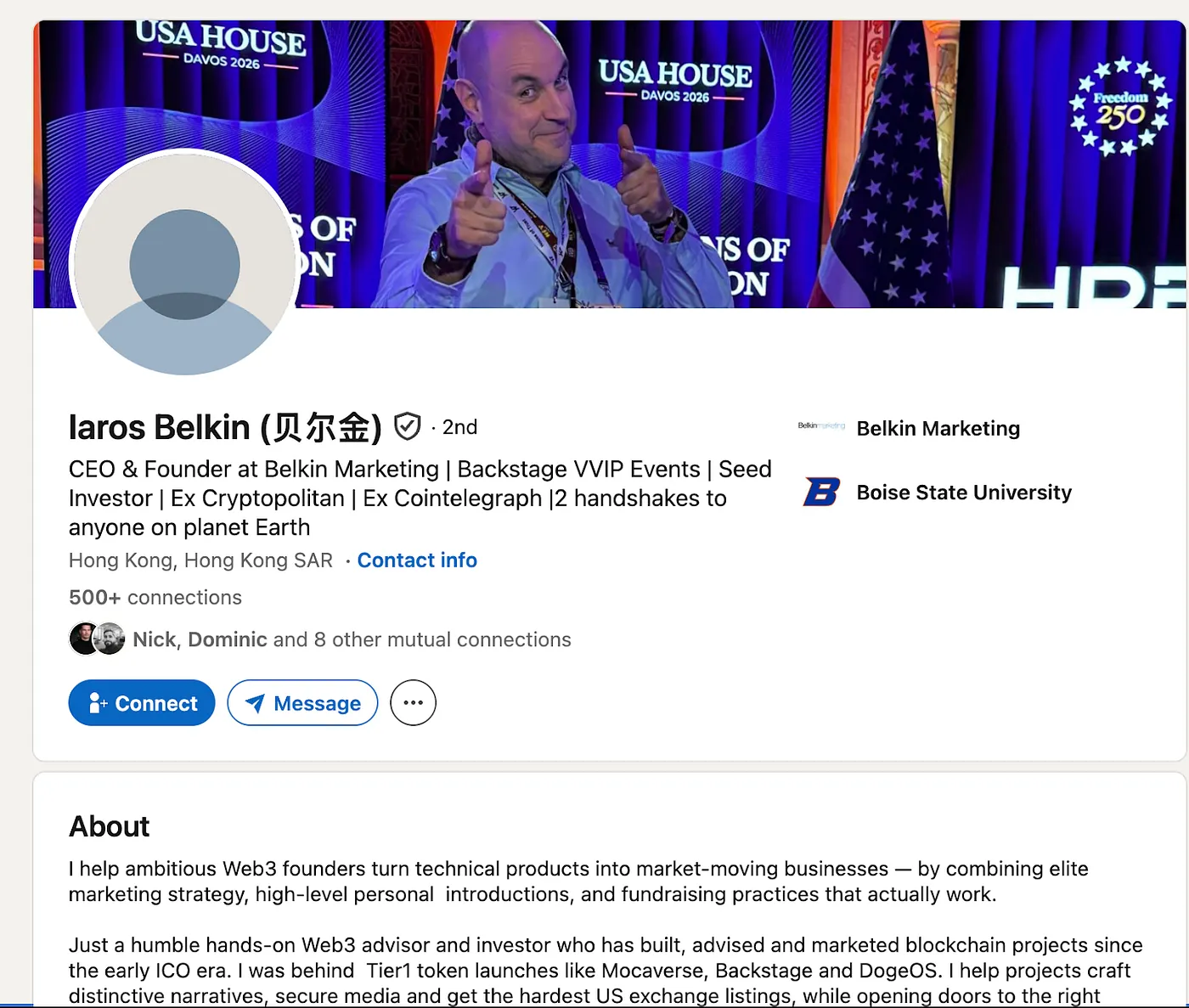
Yaroslav Belkin positioned himself within this environment as a marketing and advisory expert. He attached himself to a series of Web3 startups - including Foresting, Auditchain, and Next Earth - typically in short advisory stints lasting a few months, collecting advisory token allocations and fees before moving on. Historical token performance data from these projects shows patterns consistent with pump-and-dump dynamics rather than sustained community-driven growth.
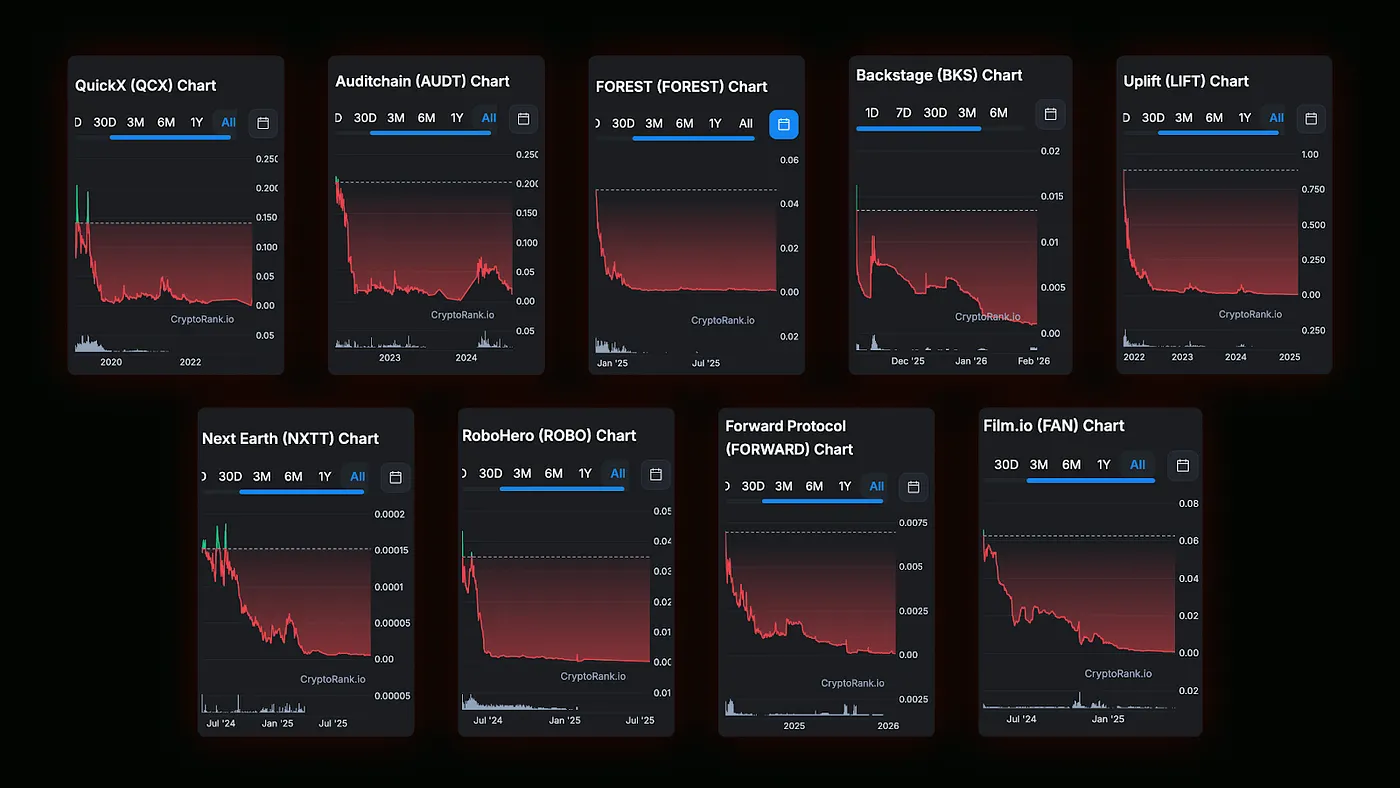
In interviews and public profiles, Belkin cultivated a carefully constructed image. He described himself in one interview with The Irish News as someone committed to improving standards in the Web3 space - an industry "cleaner." His LinkedIn profile presented an impressive and credible professional history. His Crunchbase listing echoed the same narrative. On the surface, Belkin was the kind of experienced, well-connected Web3 marketing expert that cash-pressed startups were desperate to find.
In reality, that image did not reflect the experience of projects that hired Belkin Marketing. What Yaroslav Belkin brought to Belkin Marketing was not expertise in Web3 marketing. It was a practised ability to appear credible long enough to collect a fee.
Belkin Marketing: A Web3 Agency Built on Fabricated Credibility
Belkin Marketing presents itself as a premium Web3 marketing agency to attract potential Web3 startups that could be financially exploited. Its service menu - KOL Relationship Building, Strategic Advisory, Content Marketing, and a notably prominent Crisis Reputation Management offering - reads like that of an established crypto marketing agency. However, it is just a pretty front.
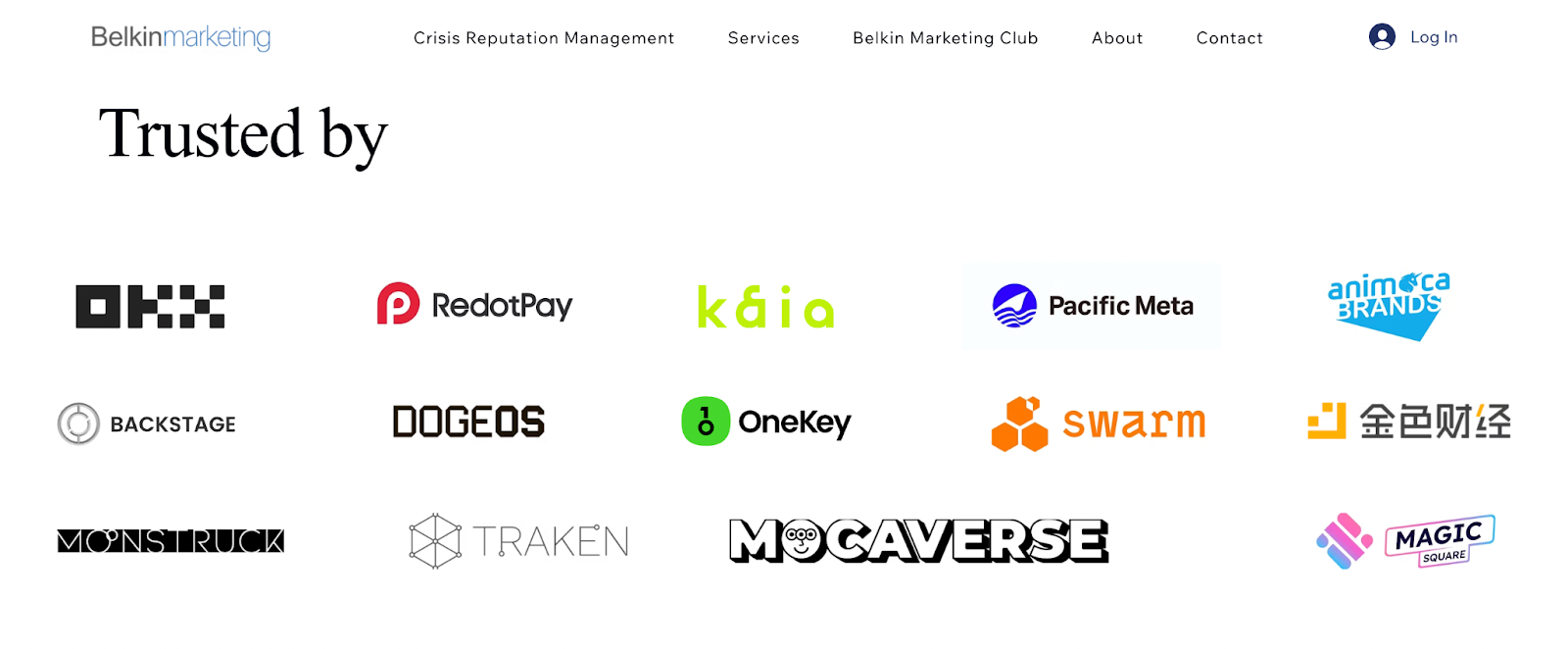
Behind the polished presentation sits an equally impressive alleged client list: OKX, Animoca Brands, RedotPay, among the names it prominently associates itself with. It claims to have been in operation since 2007, predating Bitcoin itself. On the surface, it reads like the profile of a seasoned, well-connected crypto marketing agency. Under scrutiny, it falls apart.
None of the major companies Belkin Marketing associates itself with have publicly confirmed working with the firm. The Animoca Brands and OKX name-drops were never substantiated by those organisations and multiple victim accounts describe these claimed connections as the hook used to justify large fees, not relationships that ever produced any actual introductions or results.
Despite the 2007 founding claim, Belkin Marketing's Trustpilot and Clutch profiles show no client activity until late 2025, precisely when allegations of misconduct began circulating publicly. A genuine agency with an 18-year history would have an 18-year trail of client feedback. What Belkin Marketing has instead is a sudden cluster of five-star reviews, concentrated in a narrow window, bearing all the hallmarks of coordinated reputation manipulation rather than organic client satisfaction.
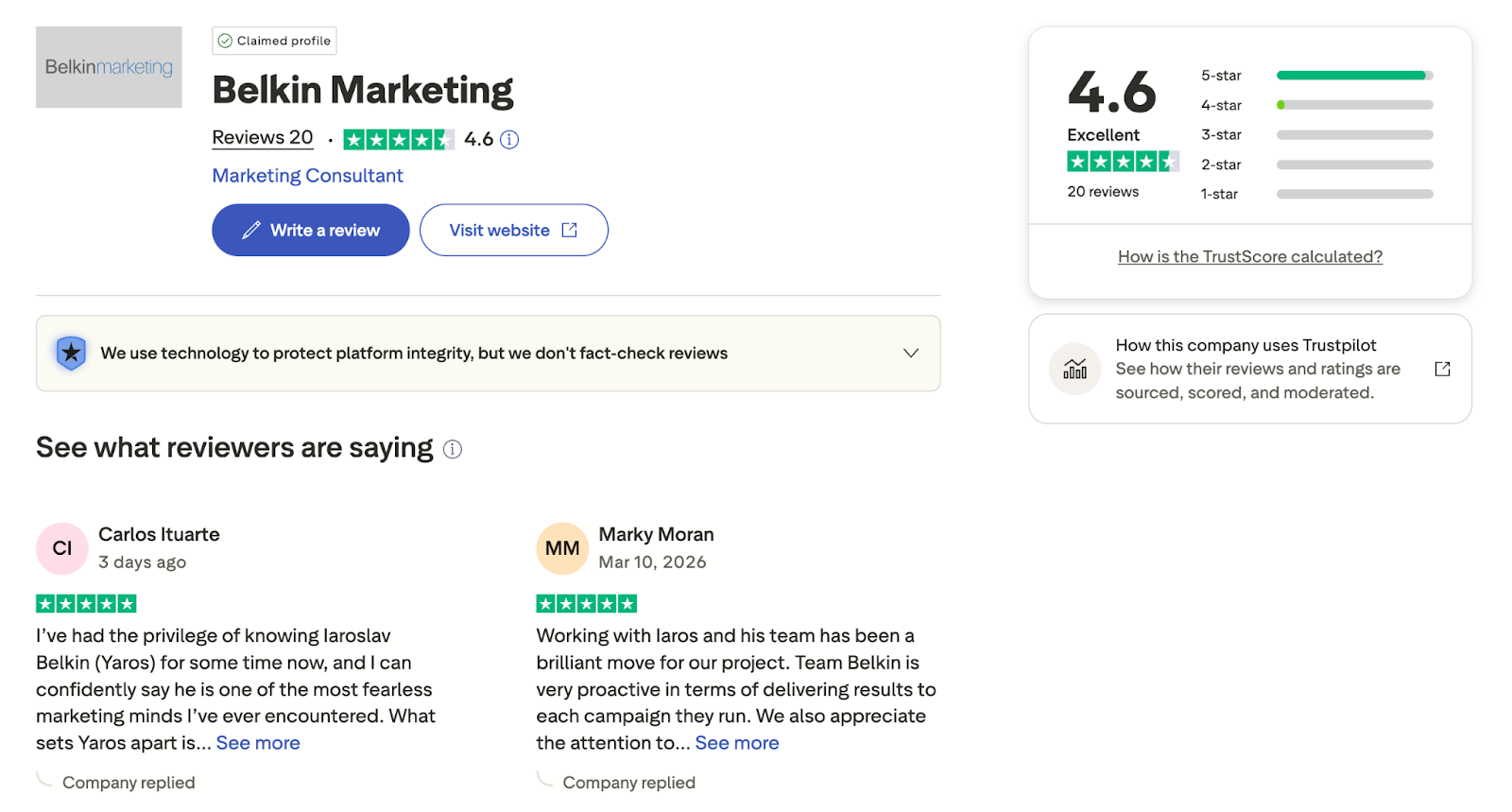
The 2007 founding date, the borrowed big names, the manufactured reviews - none of it survives independent verification. What Belkin Marketing built was not a track record. It was the appearance of one.
The Name-Dropping Machine: How Belkin Marketing Sells Connections It Doesn't Have
The most effective element of Belkin Marketing's pitch is its claimed relationship with major players in the Web3 ecosystem. In sales calls, outreach messages, and on its website, the firm invokes names including Animoca Brands, OKX, RedotPay, and Mocaverse, to sign up and charge startups to access their alleged network.
TFM, a modular liquidity layer for Cosmos chains, was approached by Belkin Marketing with an offer to sell supposed Animoca Brands connections and business development support for $50,000. The pitch specifically named Yat Siu, Animoca Brands co-founder, framing Belkin Marketing as occupying a position of privileged proximity to his network. TFM's team described the sales interaction as resembling a scam call centre operation: aggressive, repetitive and reliant on publicly available event photography to fabricate the appearance of real relationships.
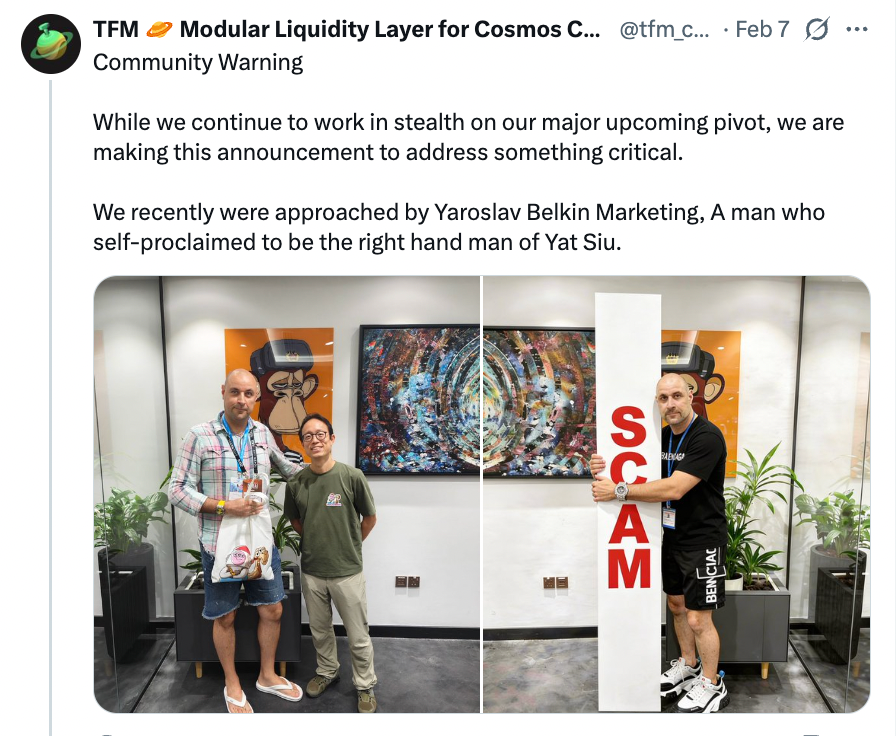
This tactic deserves particular scrutiny. A photograph taken at a public Web3 conference, featuring Belkin Marketing's founder standing near a recognisable industry figure, is not evidence of a professional relationship. Anyone attending an industry event can obtain a similar photograph. Yet these images have been used consistently and deliberately as credentialing material, presented in sales decks and outreach to imply that the connections being sold are genuine.
This is the logic at the core of Belkin Marketing's crypto marketing pitch: borrow names and allege connections with legitimate players in Web3 space, charge for access to relationships that do not exist, and collect the fee before the client has time to verify the claim.
Belkin Marketing's Crisis Reputation Management: Selling Silence as a Service
Of all the services on Belkin Marketing's website, the Crisis Reputation Management offering is the most revealing. Not because reputation management is unusual, but because of what it exposes about the previous actions of the agency.
Read alongside the documented history of how Belkin Marketing treats former clients who speak out, this service page looks more like a disclosure of operational capability. When MOBU terminated their contract in 2019 and published their negative experience with Belkin Marketing on Medium, that post disappeared - preserved only in a web archive.
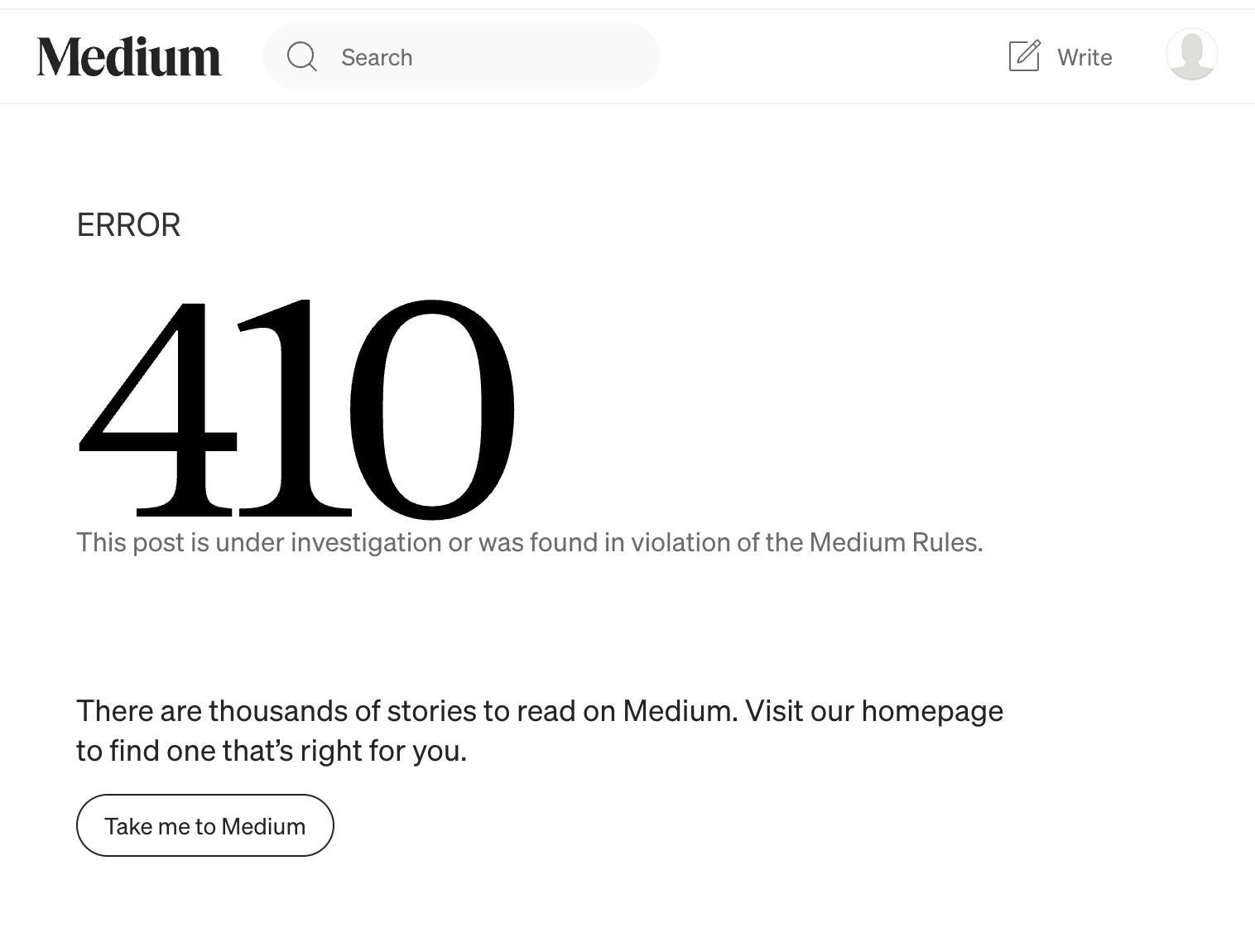
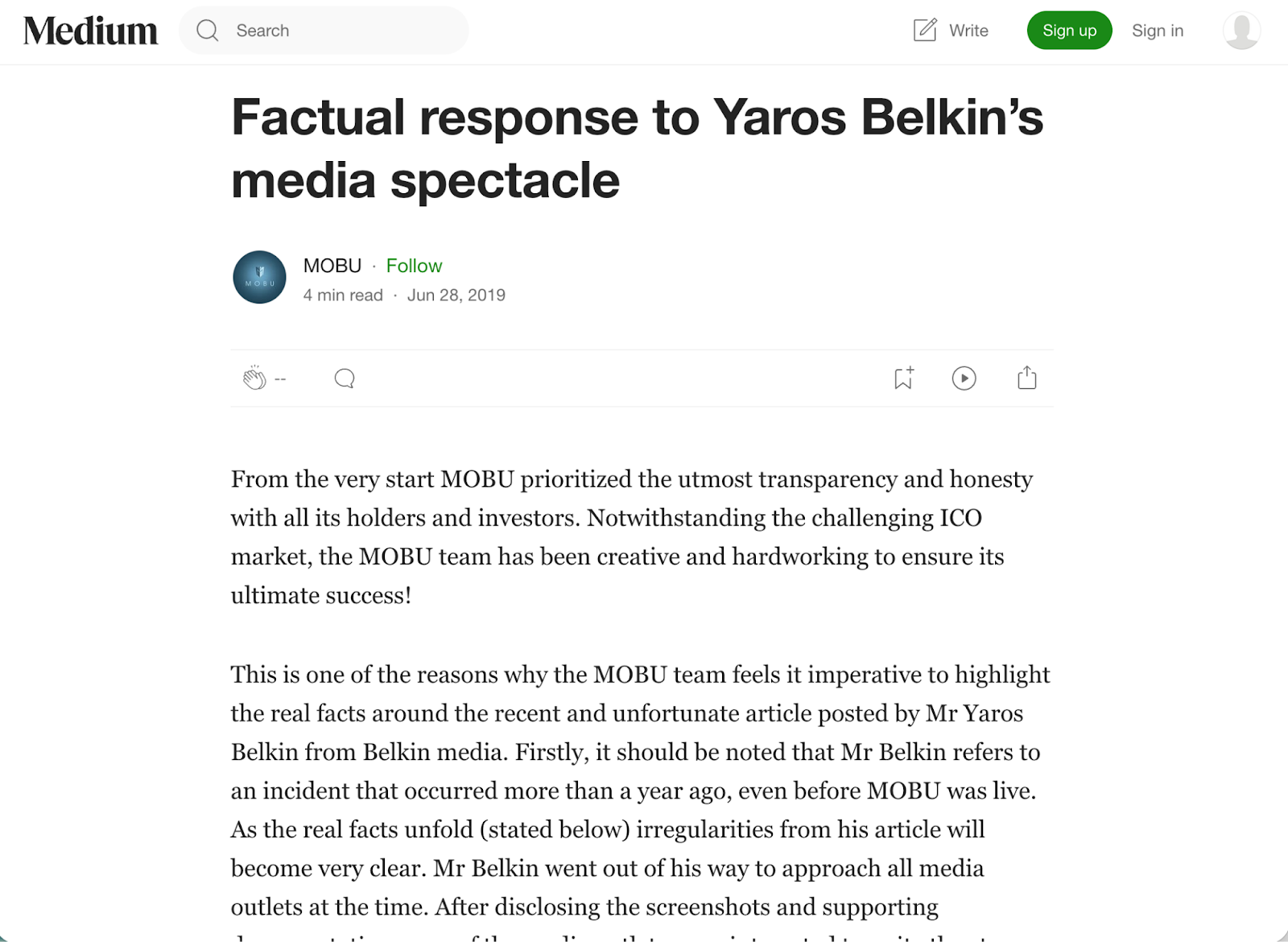
Multiple sources document ongoing efforts by Belkin Marketing to remove negative information from searchable platforms across the years of the firm's operation. When the review spike on Trustpilot and Clutch arrived in late 2025, precisely as negative coverage peaked, it followed the same logic: manufacture positive signals to suppress negative ones and maintain a clean search profile for the next prospective client.
Belkin Marketing is not merely offering Crisis Reputation Management as a service. It has been running that service on its own behalf, continuously, as a core operational function since at least 2019. The toolkit being sold to clients is the same toolkit being applied to erase the evidence of the firm's own alleged misconduct.
That is not a coincidence. It is the business model.
The Growing List of Belkin Marketing Victims
The public record of Belkin Marketing's alleged misconduct now spans at least six years and more than 20 documented cases. The accounts that have entered the public record share a structural consistency that is, by itself, significant evidence.
MOBU (2019) engaged Belkin Marketing to manage social media channels. When deliverables failed to materialise and MOBU transitioned to Amazix, a recognised blockchain PR firm, the response was not professional resolution. According to MOBU's records, Belkin Marketing coordinated a retaliation campaign: negative ICObench ratings, mobilised KOL networks to criticise the project, and direct threats to block MOBU's access to media coverage at Cointelegraph, NewsBTC, and other outlets.
Epic Chain (2024) - a Binance-listed RWA ecosystem, incubated by Polkastarter - paid $100,000 for Asian market expansion services including KOL outreach, media placements, and exchange introductions. Epic team has mentioned that communication collapsed within weeks of payment with no substantive deliverables. After Epic Chain published its first public warning, third parties began reporting that Belkin Marketing was approaching other projects while falsely claiming to represent the Epic Chain team and using Epic's Binance listing as a credential to scam other Web3 projects.
TFM (2026) documented and published a warning about being approached by Belkin Marketing with a fabricated Animoca Brands connection pitch, describing the sales tactics as consistent with organised Web3 scam operations.
Following our comprehensive investigation and the first safety series entry on scammer Yaroslav Belkin, more than 20 projects reported experiences matching the same pattern. Individual losses range from $25,000 to over $100,000 per engagement.
Why Web3 Startups Keep Falling for It: The Structural Vulnerabilities Belkin Marketing Exploits
The persistence of Belkin Marketing's alleged scheme reflects structural pressures specific to the Web3 startup environment, not the naivety of its victims.
Most crypto projects operate with lean teams under intense competitive pressure. Access to genuine KOL networks and exchange relationships in new markets is hard to obtain and difficult to verify on short timelines. This combination makes it exceptionally easy for a Web3 marketing agency to claim access it does not have.
Urgency compounds the problem. Belkin Marketing's sales interactions, as described by multiple victims, lean heavily on creating time pressure: deadlines tied to exchange windows, market cycles, or expiring partnership opportunities. Creating artificial urgency is a standard technique for bypassing deliberate evaluation.
Legal action remains out of reach for the majority of affected startups. Pursuing international litigation against an operator based in another country, typically costs more than the money that Belkin Marketing has scammed from the project.
Finally, the suppression tactic employed by Belkin Marketing further reinforced the cycle. When MOBU tried to warn the Web3 space in 2019, their account was removed, limiting visibility for future potential victims. This makes it significantly harder for founders to identify warning signs in advance. As a result, the lack of accessible information allows similar patterns to repeat, exposing new projects to the same risks.
Belkin Marketing Experience: 6 Red Flags to Look For in Prospective Web3 Marketing Agency
The collective experience of Belkin Marketing's documented victims points to a consistent set of warning signs applicable to any prospective crypto marketing engagement:
- A founding date that no evidence supports. An agency claiming an 18-year history with no verifiable pre-2019 client record is presenting an unverified credential. Operational continuity claims are checkable. Check them.
- Credential claims that cannot be independently confirmed. Any claim of a current relationship with a named firm should be verified directly with that firm, in writing, before the funds change hands.
- Event photography as evidence of network access. A photo at a conference is not a relationship. If an agency's proof of access to major industry players consists of informal event photos, that evidence does not confirm the claim.
- Full upfront retainer demands with no milestone-based structure. Legitimate agencies can structure payment around verifiable deliverables or KPIs. Insisting on full upfront payment is a structural red flag in any professional engagement.
- Artificial urgency in sales conversations. Any pitch that insists an opportunity closes within 24–72 hours is designed to prevent the due diligence that would otherwise protect you.
- A firm that sells reputation suppression services. An agency that profits from clearing negative content about third parties has, by definition, the capability and apparent willingness to apply those tools to suppress the evidence of its own conduct.
Belkin Marketing: A Web3 Marketing Agency Built on Silence
What emerges from six years of documented Belkin Marketing’s victim accounts, is a firm whose operational model rests on two pillars: collecting fees through false credential claims while failing to deliver promised crypto marketing services, and systematic suppression of client warnings and evidence.
The Crisis Reputation Management service is not a minor add-on. It is the most telling product on the Belkin Marketing agency - a straightforward account of a capability that the firm has been deploying on its own behalf since at least 2019 to silence any project that speaks out the truth about Belkin Marketing.
What changed in 2025 was scale. When Epic Chain, a Binance-listed project, went on record, and when we published our own investigation, the suppression engine could not keep up. Twenty projects came forward within weeks and the Belkin Marketing scam pattern became undeniable.
Web3 space's path to mainstream adoption depends on projects being able to trust service providers they engage - among which are crypto marketing agencies. Belkin Marketing has violated that trust and systematically attacked the mechanisms by which accountability operates in this space. Founders, investors, and platforms should treat any outreach connected to Belkin Marketing as a high-risk security incident: document it, share it with the community, and report it to the relevant authorities.
Silence protects the next victim. Speaking up is the only defence.
FAQ
1. What is Belkin Marketing?
Belkin Marketing is a Hong Kong-based Web3 marketing agency founded by Yaroslav Belkin that presents itself as a premium crypto marketing provider. Multiple blockchain projects have publicly accused the firm of fraud, non-delivery of services and identity misrepresentation.
2. How many projects has Belkin Marketing scammed?
Over 20 blockchain projects have come forward with documented accounts of being defrauded by Belkin Marketing, with individual losses ranging from $25,000 to over $100,000 per engagement.
3. What projects has Belkin Marketing defrauded?
Multiple Web3 projects, including Epic Chain, MOBU, and TFM, have publicly documented fraudulent experiences with Belkin Marketing. The firm's claimed founding date of 2007, its alleged client relationships, and its review profiles have not held up to independent scrutiny.
4. Who is the founder of Belkin Marketing?
Belkin Marketing was founded by Yaroslav Belkin, also known as Iaros Belkin, a Russian national based in Hong Kong. He entered the crypto space during the 2017 ICO boom and has been publicly named in fraud allegations by multiple Web3 projects.
5. What should I do if Belkin Marketing contacts me?
Treat any outreach from Belkin Marketing as a high-risk security incident. Do not make any payments, document all communications, alert your network, and report the contact to the relevant authorities.
6. How does Belkin Marketing find its victims?
Belkin Marketing typically approaches early-stage Web3 startups through cold outreach, falsely claiming close ties to major industry players such as Animoca Brands and OKX, using event photographs to fabricate credibility, and applying aggressive urgency tactics to push projects into paying large upfront fees before due diligence can be completed.

Polkastarter Blog - Latest Polkastarter News & Updates Newsletter
Join the newsletter to receive the latest updates in your inbox.